
The Actual Drug Charge
Read the statute and subsection rather than relying on a short booking description. Possession, possession for sale and trafficking address different allegations.
NRS 453.336 — Possession and statutory exceptions
Fast Bail Bonds / Las Vegas, Nevada
Know the Charge. Verify the Bond. Understand the Next Step.
Nevada drug allegations are not all the same: possession, possession for sale, sale/delivery/transport, general trafficking, fentanyl trafficking, marijuana trafficking and paraphernalia use distinct rules. The exact statute, substance, schedule, quantity, prior history and lawful exceptions matter. Verify current custody and authorized bail before a commercial bond inquiry.
Independent private bail agency · not a government inmate locator. An inquiry does not guarantee acceptance, an available bond or immediate release.
Step 1 / 3
Enter as much as you know.
01 / Nevada drug guide
Six distinctions before a transaction.
Possession is not a universal drug charge. Nevada distinguishes simple possession, possession for sale, unauthorized sale or delivery, trafficking and paraphernalia. NRS 453.336 is the starting point for many possession allegations, but the exact statute and subsection control. Lawfully authorized possession and applicable exemptions must also be considered.
A criminal classification describes a potential offense and sentence, not an authorized bail amount. First verify identity, current custody, the actual charge and the court’s release instructions. Fast can then review whether a commercial transaction is lawful and acceptable; a call or completed inquiry does not decide guilt, clear a hold or guarantee release.
Read the statute and subsection rather than relying on a short booking description. Possession, possession for sale and trafficking address different allegations.
NRS 453.336 — Possession and statutory exceptionsNevada quantity branches refer to Schedule I/II or Schedule III–V groupings. Identify the actual substance and schedule before comparing thresholds; generic federal schedule descriptions cannot replace Nevada charging law.
NRS 453.336 — Possession and statutory exceptionsThe quantity and sometimes qualifying prior convictions determine the branch. A first/second smaller-quantity offense differs from a repeat-offense allegation and from higher-quantity possession.
NRS 453.336 — Possession and statutory exceptionsMatch the person to the official detention record and current facility. An arresting police agency is not necessarily the holding authority.
Clark County Official Inmate SearchThe court and applicable law govern release and conditions. A felony category does not supply a standard amount or tell an agent that posting is allowed.
NRS 178.4851 — Release with or without bailBail is authorized security. The separate commercial premium under NRS 697.300 is 15% of the bond or $50, whichever is greater.
NRS 697.300 — Commercial bail premium02 / Nevada drug guide
Substance, quantity, history and exceptions.
NRS 453.336(1) prohibits knowing or intentional possession unless the controlled substance was lawfully obtained under a valid prescription/order or another statutory authorization applies. Its general classification ladder is subject to subsections (3)–(5), NRS 453.3363 and listed greater-penalty provisions. Do not apply a smaller-quantity branch mechanically where a special substance or trafficking provision governs.
Every prison term and fine below is potential criminal punishment after conviction, never a bail amount. Quantity ranges include their lower boundary and exclude the stated upper boundary. Lawful authorization, the alleged conduct and qualifying conviction history must be checked alongside weight; no table determines the result of an individual case.
Category E felony
First or second qualifying offense; consent required for deferred judgment under NRS 176.211. Potential criminal punishment: Category E framework under NRS 193.130; deferred judgment is not automatic dismissal or bail authorization.
NRS 453.336(2)(a)Category D felony
Third/subsequent smaller-quantity offense or the specified two-or-more aggregate prior controlled-substance convictions. Potential criminal punishment: Category D framework; possible fine up to $20,000.
NRS 453.336(2)(b)Category C felony
Low-level possession; statutory exceptions and greater-penalty provisions remain applicable. Potential criminal punishment: Category C punishment under NRS 193.130: one to five years.
NRS 453.336(2)(c)Category B felony
Mid-level possession; exceptions and controlling greater penalties must be checked. Potential criminal punishment: One to ten years and a fine up to $50,000.
NRS 453.336(2)(d)Category B felony
High-level Schedule I/II possession; not a Schedule III–V quantity branch. Potential criminal punishment: Two to fifteen years and a fine up to $50,000.
NRS 453.336(2)(e)For the qualifying first/second offense in NRS 453.336(2)(a), the court shall defer judgment in accordance with NRS 176.211 upon the person’s consent. This is a court-process provision, not automatic dismissal, a finding of innocence or permission to post bail.
NRS 453.336 — Possession and statutory exceptionsNRS 453.336(3) covers flunitrazepam, GHB and substances for which either is an immediate precursor. Category B, one to six years, unless a greater penalty under the listed statutes controls. These special circumstances must not be merged into the general smaller-quantity ladder.
NRS 453.336 — Possession and statutory exceptionsNRS 453.336(4) retains a misdemeanor provision for one ounce or less outside lawful authorization; (5) retains a Category E provision above one ounce but under 50 pounds, or concentrate above one-eighth ounce but under one pound. Those provisions coexist with current adult-use exemptions: exceeding one ounce does not automatically make qualifying adult possession criminal.
NRS 678D.200 exempts qualifying adults 21 or older for up to 2.5 ounces usable cannabis or one-fourth ounce concentrate, subject to title 56 compliance, the POST-position exclusion and NRS 678D.300 exceptions. Impaired driving, specified school/correctional/public-use circumstances and unlawful delivery to minors remain separate issues. Lawful possession is not a bail case.
NRS 453.336 — Possession and statutory exceptionsA lawful prescription/order or statutory authorization can exempt possession under (1), but does not automatically answer a separate sale/trafficking allegation. Under (6), a trace amount in or on a device obtained through the qualifying sterile hypodermic-device program is not a violation.
NRS 453.336 — Possession and statutory exceptionsNRS 453.337(2)(a): first qualifying offense Category D. (b): second offense or specified qualifying prior drug felony Category C. (c): third/subsequent offense or two qualifying priors Category B, three to fifteen years, possible fine up to $20,000 per offense. No gram threshold substitutes for the purpose-of-sale allegation.
Subsection (3) generally bars probation/suspension for the (b)/(c) branches unless mitigating circumstances warrant probation. For flunitrazepam, GHB and their specified precursor substances, the restriction applies even with mitigating circumstances, including first offenses.
NRS 453.337 — Possession for sale: Schedule I/II and specified substancesNRS 453.338(2)(a): first/second qualifying offense Category D, possible fine up to $10,000. (b): third/subsequent offense or two qualifying prior drug felonies Category C. Under (3), probation/suspension for (b) is restricted unless mitigating circumstances warrant probation. Applicable federal/out-of-state felony equivalents can count.
NRS 453.338 — Possession for sale: Schedule III–VNRS 453.321 addresses specified unauthorized importation, transportation, sale, supply, prescription, administration, delivery/exchange and related offers/attempts. Read the charged provision: possession for sale and trafficking are not simply interchangeable names for any transport or sale allegation.
NRS 453.321 — Unauthorized sale, delivery and related conductNRS 453.3385 covers specified Schedule I/II substances other than marijuana, flunitrazepam/GHB and their specified precursors, and mixtures. Knowing or intentional sale, manufacture, delivery, importation or actual/constructive possession can qualify. Authorization and a greater penalty under NRS 453.322 must be checked.
100g to under 400g: Category B, two to twenty years and fine up to $100,000. 400g+: Category A, life or 25 years with parole eligibility after ten years; fine up to $500,000. The section’s marijuana exclusion does not include concentrated cannabis; identify the actual controlling charge.
NRS 453.3385 — General controlled-substance traffickingNRS 453.3383 applies to NRS 453.3385, .3387 and .339: the weight represented by the seller or deliverer controls if greater than actual weight. It is not a universal weight rule for ordinary possession. Ask counsel to evaluate both the representation and physical quantity.
NRS 453.3383 — Greater represented weightNRS 453.3387 concerns illicitly manufactured fentanyl, derivatives and mixtures containing them. (1): 28g to under 42g, Category B, one to ten years. (2): 42g to under 100g, Category B, two to fifteen years. No fine is expressly prescribed here; authorization and greater-penalty exceptions remain.
The section contains no 100g-plus tier. At larger quantities, the current schedule and general NRS 453.3385 framework must be examined rather than inventing another .3387 branch.
NRS 453.3387 — Fentanyl traffickingNRS 453.339 uses pounds, not the general gram tiers. Marijuana 50–under 1,000lb or concentrate 1–under 20lb: Category C and fine up to $25,000. Marijuana 1,000–under 5,000lb or concentrate 20–under 100lb: Category B, two to ten years, fine up to $50,000.
Marijuana 5,000lb+ or concentrate 100lb+: Category A, life or definite 15 years, parole after five years, fine up to $200,000. Weigh marijuana and concentrate separately at seizure or as soon as practicable. The marijuana definition excludes qualifying chapter-557 hemp/products and concentrate; statutory and authorized-cannabis exemptions still matter.
NRS 453.339 — Marijuana or concentrated cannabis traffickingNRS 453.3405(1) addresses suspended adjudication/sentence and mandatory-minimum parole limits for the three trafficking statutes, subject to (2)/(4). Appropriate substantial-assistance motions may permit reduction or suspension; the arresting agency must have an opportunity to be heard and the court records reasons.
For .3387 only, (4) permits suspension if lack of knowledge of illicitly manufactured fentanyl in the mixture is proved by a preponderance; the court must make findings and state reasons. These are sentencing provisions, not automatic pretrial bail relief.
NRS 453.3405 — Trafficking sentencing restrictions and exceptionsNRS 453.554 defines equipment/materials connected to unlawful controlled-substance activities and expressly excludes hypodermic devices and testing products, including fentanyl test strips. NRS 453.566 makes unlawful use or possession with intent to use paraphernalia a misdemeanor. Mere possession is not the complete statutory formulation.
Definition exclusions and applicable lawful cannabis activity must be checked. Do not confuse the definition with an independent offense or presume a felony classification.
NRS 453.566 — Use or possession with intent to use paraphernalia| Subsection / branch | Schedule and quantity | Qualification / classification |
|---|---|---|
| 453.336(2)(a) | I/II: under 14g; III–V: under 28g | Category E felony; First or second qualifying offense; consent required for deferred judgment under NRS 176.211 |
| 453.336(2)(b) | I/II: under 14g; III–V: under 28g | Category D felony; Third/subsequent smaller-quantity offense or the specified two-or-more aggregate prior controlled-substance convictions |
| 453.336(2)(c) | I/II: 14g to under 28g; III–V: 28g to under 200g | Category C felony; Low-level possession; statutory exceptions and greater-penalty provisions remain applicable |
| 453.336(2)(d) | I/II: 28g to under 42g; III–V: 200g or more | Category B felony; Mid-level possession; exceptions and controlling greater penalties must be checked |
| 453.336(2)(e) | I/II: 42g to under 100g; III–V: not this branch | Category B felony; High-level Schedule I/II possession; not a Schedule III–V quantity branch |
03 / Nevada drug guide
Eight inquiry categories, not automatic acceptance.
These eight cards organize statutory circumstances a family may ask Fast to review. Every allegation still requires confirmation from the booking and charging record. Overlapping conduct, disputed quantity and exemptions need qualified legal review; the agency cannot decide a defense or authorize release.
First/second qualifying possession under NRS 453.336(2)(a) differs from the repeat-offense branch in (2)(b). The court shall defer judgment with consent under the referenced NRS 176.211 framework; that is neither automatic dismissal nor bail permission.
Two distinct quantity branches require separate verification; neither establishes a fixed bail amount. The current substance schedule and charged quantity must match the correct subsection.
Schedule I/II possession of 42g or more but under 100g falls under this branch, subject to statutory exceptions and greater penalties. Potential criminal punishment is two to fifteen years and a fine up to $50,000, not a bond amount.
NRS 453.337 concerns possession for the purpose of sale, not simple possession. First, second/qualifying-prior and third/multiple-prior branches differ. Flunitrazepam, GHB and their specified precursor substances have additional sentencing qualifications.
NRS 453.338 uses its own prior-offense framework and does not supply a gram threshold proving intent to sell. First/second qualifying offenses are distinct from third/subsequent or specified prior-conviction cases.
For substances governed by NRS 453.3385, 100g or more but under 400g is low-level trafficking. Knowing or intentional actual/constructive possession can qualify; a completed sale is not always required.
For substances governed by NRS 453.3385, 400g or more is high-level trafficking. Category A does not automatically settle pretrial release; the current court determination must still be checked.
Separate statutes govern illicitly manufactured fentanyl/derivative mixtures and marijuana or concentrated cannabis. Confirm lawful authorization, actual substance and controlling statute rather than transferring general trafficking thresholds.
04 / Nevada drug guide
Court authority is separate from agency acceptance.
Compare the current record with these three release states. The court and applicable law determine bond authorization; Fast separately determines whether it can accept and write the authorized commercial bond. Neither paying a premium nor supplying complete information overrides a detention order.
Current law and a court order authorize bond, an actual amount exists, the detention authority confirms accepted posting instructions, no operative independent hold prevents release through this bond and Fast can lawfully and operationally accept the transaction.
NRS 178.4851 — Release with or without bailA pending bail determination, an unclear charge or quantity, disputed release information, another case/warrant/hold or conditions requiring court action need clarification. Not all drug felonies require the same hearing; a Category A label alone does not determine release.
NRS 178.4851 — Release with or without bailNo bond is presently authorized, an operative detention order or independent hold prevents release, a legal restriction remains unresolved or Fast cannot lawfully accept the commercial transaction. Ask which authority controls the issue rather than promising a fee will solve it.
NRS 178.484 — Preconviction bail restrictions05 / Nevada drug guide
Verify the actual restriction, not a generic drug hold.
There is no universal twelve-hour waiting period for every possession, possession-for-sale or trafficking arrest under Chapter 453. NRS 178.484(6) instead concerns arrests under listed impaired-driving or boating provisions with controlled-substance/combined impairment or specified unsafe chemical/solvent use. It bars bail admission or recognizance release sooner than twelve hours after arrest when those conditions apply.
Subsection (6) lists NRS 484C.110, .120, .130, .430 and 488.410, .420, .425. Ordinary possession alone is not one of those listed offenses. If a booking separately alleges impaired driving, review its actual restriction with the DUI guide.
NRS 178.484 — Preconviction bail restrictionsFast guide: DUI Bail BondsA current order or pending judicial release decision may control whether and when posting is permitted. Do not invent a universal hearing requirement for every drug felony.
NRS 178.4851 — Release with or without bailResolve every separately booked case or warrant through its responsible authority. Posting one bond does not automatically release the person from all matters.
NRS 178.484 — Preconviction bail restrictionsAn actual supervision matter can affect release. A repeat drug conviction does not itself prove an active probation/parole hold; verify current custody instructions.
NRS 178.4851 — Release with or without bailCheck the accepted posting method, holding authority, amount and present record. Processing depends on the facility; no release countdown is promised.
CCDC Pretrial Services and Bail InformationFollow conditions actually imposed. Testing, treatment or monitoring must not be presented as mandatory for every drug allegation; only the responsible court can clarify or change an order.
NRS 178.4851 — Release with or without bail06 / Nevada drug guide
Current case authority, not invented ranges.
There is no charge-specific bond range or universal Las Vegas drug bail schedule on this page. The actual authorized amount must come from the current case record or court authority. Potential fines and prison terms in Chapter 453 are criminal punishments, not numerical substitutes for bail.
Under NRS 178.4851(1)–(3), bail/conditions are the least restrictive necessary means for community safety or appearance, with findings and stated reasons as required. Section 178.4853 covers community ties, history, appearance risk and danger; 178.498 includes the offense, financial ability and character. These judicial considerations do not decide an agency’s acceptance.
Keep possession, purpose of sale, sale/delivery and trafficking separate. Read the actual subsection and each booked count.
NRS 453.336 — Possession and statutory exceptionsThe substance and Nevada schedule grouping must match the statute. A general label such as narcotics does not establish a quantity branch.
NRS 453.336 — Possession and statutory exceptionsIdentify the alleged quantity, weight unit and applicable special provisions. A greater represented weight can matter only where the statute provides.
NRS 453.3383 — Greater represented weightPossession and possession-for-sale branches can depend on qualifying history. Arrest counts alone are not equivalent to the specified convictions.
NRS 453.337 — Possession for sale: Schedule I/II and specified substancesAn independent case, warrant or supervision matter may require separate authority and remain after one bond is posted.
NRS 178.484 — Preconviction bail restrictionsNRS 178.4851, .4853 and .498 guide court release review, including financial ability and appearance/safety concerns. Keep the current amount and order rather than estimating from a category.
NRS 178.498 — Amount of bail07 / Nevada drug guide
Statutory premium; hypothetical mathematics only.
NRS 697.300(1)(a) requires the commercial rate to be 15% of the bond amount or $50, whichever is greater. The seven table examples and calculator illustrate the formula only; they are not drug-charge court amounts, quotes or acceptance offers. Lawful collateral and permitted actual expenses are separate.
The hypothetical initial-payment selector changes the illustrated first payment and remaining balance, never the full statutory premium. It does not approve financing or establish an actual arrangement. Read the written transaction terms before committing.
| Example bond | Illustrative premium |
|---|---|
| $250 | $50 |
| $500 | $75 |
| $1,000 | $150 |
| $2,500 | $375 |
| $5,000 | $750 |
| $10,000 | $1,500 |
| $20,000 | $3,000 |
15% of the example bond or $50, whichever is greater. Collateral and permitted actual expenses are separate.
Illustrative calculation / not a quote
Nevada premium: 15% of the bond or $50, whichever is greater. Initial payment is optional illustration only, not an offer.
15% of the example bond, subject to the $50 minimum. Collateral and permitted actual expenses are separate.
Illustrative calculation only. Actual premiums, expenses, collateral, and payment arrangements require confirmation. This is not a quote or financing offer. An initial payment reduces the premium balance; it does not change the total premium. See the official Nevada premium statute.
Get help understanding bail costsThe current bail security comes from the applicable case authority, not a commercial price list.
NRS 178.498 — Amount of bail15% of the authorized bond or $50 minimum, whichever is greater. Separate the premium from the bond face amount.
NRS 697.300 — Commercial bail premiumA selected percentage illustrates a share of the premium. It does not lower the full rate or promise a payment plan.
Review the premium, expenses, payment and indemnity terms; keep signed copies and receipts.
NRS 697.310Collateral is separate from premium and subject to law and the written agreement. No waiver or return guarantee is offered.
NRS 697.320Contract obligations and any court forfeiture procedure matter. A calculator cannot determine a co-signer’s eventual liability.
NRS 178.50808 / Nevada drug guide
Six practical stages without a release promise.
Begin with the charge and current custody, not payment. Preparation can proceed while authority is clarified, but prepared paperwork does not authorize posting or cancel a hold. Keep every court and facility instruction.
Stage 1 of 6
Confirm identity, statute, subsection and available charge information.
Family action: keep the exact recorded allegation rather than guessing from a nickname.
Stage 2 of 6
Identify the detention authority, current facility and booking information.
Family action: distinguish the arresting agency from the place presently holding the person.
Stage 3 of 6
Check the substance, statutory branch and every separate restriction.
Family action: mark disputed quantity/history as needing counsel or official clarification.
Stage 4 of 6
Verify the current court-authorized amount and accepted posting instructions.
Family action: ask what posting this bond would accomplish and whether any other hold remains.
Stage 5 of 6
Understand 15%/$50, lawfully applicable collateral and signer obligations.
Family action: read and retain documents; an illustration is not an approved financing arrangement.
Stage 6 of 6
The facility processes an authorized release; the defendant follows actual appearance and release conditions.
Family action: retain notices and arrange pickup only after current information, not a promised time.
09 / Nevada drug guide
Four separate facilities; confirm actual custody.
Not all drug arrests are routed to CCDC. The arresting agency and actual detention facility can differ or change after transfer. Match the person’s identity and current record before arranging posting. Official searches are government resources, not Fast’s private intake or confirmation of assistance.
Operated by the Las Vegas Metropolitan Police Department. Use the official county inmate resource when the record shows CCDC custody. Government contact: (702) 671-3900.
Confirm booking, all cases/holds and current posting instructions.
Clark County Official Inmate SearchFast guide: Clark County Detention Center (CCDC)The City of Las Vegas operates this separate jail and official inmate resource. It is not interchangeable with CCDC.
Confirm present custody, identity and transfer information.
Las Vegas City Jail Inmate InformationHenderson Police Department supplies its official inmate-information resource. Government contact: (702) 267-4652; a Henderson arrest alone does not establish custody here.
Verify current booking and accepted release instructions.
Henderson Detention Inmate InformationThe City of North Las Vegas supplies this facility’s offender-search resource. Use it when the current record identifies this holding authority.
Verify all open matters and the accepted posting method.
North Las Vegas Official Offender Search10 / Nevada drug guide
Actual jurisdiction and case notices control.
Booking, initial appearance where applicable, judicial release determination, bail review/conditions, preliminary proceedings for qualifying felony matters and later appearances are distinct stages. Not every case follows an identical sequence or timetable. Verify the actual court and current notice rather than assigning jurisdiction solely by arrest location.
Handles applicable township/county criminal matters, initial appearances, bail determinations and preliminary proceedings. It does not handle every arrest across Clark County.
Use the official directory and named case notice.
Clark County Justice CourtsFast guide: Las Vegas Justice CourtCity municipal jurisdiction depends on the actual matter. A drug arrest inside Las Vegas is not automatically assigned to Las Vegas Municipal Court.
Confirm the charging record and named court.
Las Vegas Municipal CourtFast guide: Las Vegas Municipal CourtQualifying felony matters may involve initial and preliminary proceedings in the responsible township Justice Court. Henderson and North Las Vegas Justice Courts are separate from their municipal courts.
Keep the case number and verify the actual proceeding.
Clark County Justice CourtsHandles applicable felony proceedings after the charging process. The defendant must follow the responsible department’s actual orders and later appearance notices.
Confirm current bail conditions and next court notice with counsel.
Eighth Judicial District Court LocationsFast guide: Eighth Judicial District Court11 / Nevada drug guide
Read the contract; follow actual court conditions.
Posting a bond does not decide the drug charge. The defendant must attend required proceedings and comply with the actual release order. A co-signer assumes written contractual duties, not authority to excuse an appearance or change the court’s conditions.
Separate premium, permitted expenses, lawfully applicable collateral and indemnity. A missed appearance may start warrant/forfeiture proceedings, but does not automatically mean the co-signer immediately owes the entire face amount. Collateral release depends on discharge, lawful charges and the agreement, not a guaranteed return date.
Read all transaction terms, retain copies and ask how the full statutory premium and any lawful expenses are accounted for.
NRS 697.300 — Commercial bail premiumKeep every notice and obey conditions actually imposed. If a date or instruction is uncertain, ask counsel or the responsible court rather than relying on a booking summary.
NRS 178.4851 — Release with or without bailAsk for receipts and the applicable discharge/security terms. NRS 697.320 governs collateral handling and return conditions; complete return is not guaranteed.
NRS 697.320Court procedures and the actual agreement control consequences after a missed appearance. Seek timely guidance; do not assume an automatic fixed liability.
NRS 178.5080 of 6 details at hand
12 / Nevada drug guide
Verified local information, clear requirements.
Fast Bail Bonds Las Vegas is a family-owned private agency with a local office at 317 Garces Ave, Suite A, Las Vegas, NV 89101. Call (702) 387-5555. English/Spanish assistance and 24/7 availability do not change court authority, facility processing or acceptance requirements.
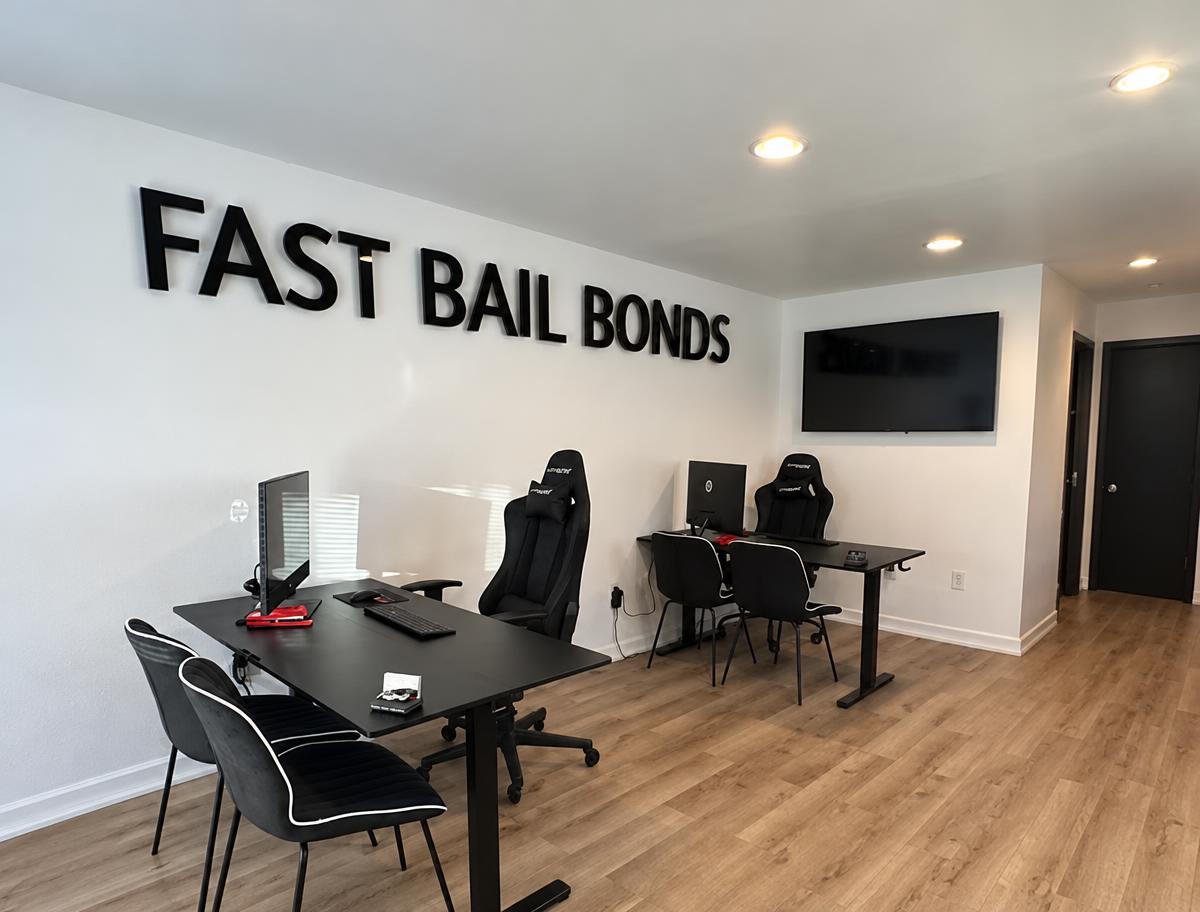
A family-owned agency explaining the inquiry and transaction steps plainly.
Office: 317 Garces Ave, Suite A, Las Vegas, NV 89101. Confirm a visit by telephone.
Bilingual assistance for available booking information and transaction questions.
Contact (702) 387-5555 at any hour; no specific response or release time is promised.
Help identifying official custody and court resources while keeping arrest location and actual jurisdiction separate.
Understand Nevada’s statutory premium and the lawful written requirements before an authorized transaction.
13 / Preparation and answers
Call with what you know; verify what controls.
Call (702) 387-5555 or return to the sole three-step intake above. Provide identity and available booking details; confirm the actual drug offense/subsection, substance, quantity and qualifying history. Check court-authorized bail and every operative hold, then review premium and written requirements if Fast can accept a lawful transaction.
You do not need all six checklist details to call. Do not send detailed medical histories, prescriptions, Social Security numbers or sensitive financial information through the initial public inquiry. It is not an official inmate search, a completed bond posting or a release guarantee.
Possibly, if the actual charge, current court orders and all separate holds allow release on bond. A Chapter 453 allegation alone does not authorize posting. Fast separately reviews whether it can lawfully accept the authorized commercial transaction.
No. NRS 453.336 distinguishes schedule, quantity, qualifying prior history and exceptions. General smaller-quantity first/second offenses can be Category E; repeat/prior-history cases Category D; low-level Category C; mid/high-level Category B. Special substances and greater-penalty provisions can control.
NRS 453.336(2)(a) applies to a first or second qualifying offense involving Schedule I/II under 14 grams or Schedule III–V under 28 grams. Statutory exceptions, special substances and greater-penalty provisions remain relevant; lawful possession is not automatically an offense.
NRS 453.336(2)(a) says the court shall defer judgment in accordance with NRS 176.211 upon the person’s consent. It is a conditional court-process framework, not automatic dismissal or an assurance of bail. The defendant and counsel must review the applicable conditions.
Under NRS 453.336(2)(c), low-level is Category C: Schedule I/II 14g to under 28g or III–V 28g to under 200g. Under (d), mid-level is Category B: I/II 28g to under 42g or III–V 200g or more. Under (e), high-level is Category B: I/II 42g to under 100g. Special provisions and exemptions still matter.
NRS 453.336 addresses possession; NRS 453.337 and .338 address possession for the purpose of sale using their own substance and prior-conviction rules. Quantity alone does not establish the purpose-of-sale allegation. Verify the actual charged subsection, not an informal label.
NRS 453.337 uses Category D, C and B branches for first, second/qualifying prior and third/multiple-prior circumstances, and includes specified flunitrazepam/GHB substances. NRS 453.338 uses Category D for first/second and Category C for third/subsequent or qualifying multiple-prior cases. Their probation exceptions also differ.
Yes, NRS 453.3385 includes knowing or intentional actual/constructive possession of the qualifying quantity as well as specified sale, manufacture, delivery and importation. A completed sale is not always necessary. The covered substance, authorization exceptions, quantity and exact statute must be verified.
For substances governed by NRS 453.3385, low-level is 100g to under 400g, Category B; high-level is 400g or more, Category A. These are criminal quantity/classification rules, not bail amounts. Do not transfer them to the separate NRS 453.3387 fentanyl or .339 marijuana branches.
Yes. NRS 453.3387: illicitly manufactured fentanyl/derivative mixtures 28g to under 42g and 42g to under 100g are distinct Category B branches. NRS 453.339 uses marijuana 50/1,000/5,000-pound boundaries and concentrate 1/20/100-pound boundaries for Category C/B/A branches. Authorization, definitions and greater-penalty rules matter.
No. NRS 678D.200 exempts qualifying adults 21 or older for up to 2.5 ounces usable cannabis or one-fourth ounce concentrate, subject to title 56 compliance, employment exclusions and NRS 678D.300 exceptions. Read Chapter 453 with these exemptions; the older one-ounce text is not the universal current lawful limit. Impaired driving and unlawful sale/delivery to minors require separate assessment. DUI guide for a separately alleged impaired-driving case
No. NRS 178.484(6) concerns specified impaired-driving/boating arrests with controlled-substance/combined impairment or specified unsafe chemical/solvent use. It is not a universal possession, possession-for-sale or trafficking waiting period. Other actual holds and court orders must be checked independently. Review the separately alleged DUI restriction
NRS 697.300(1)(a) sets the commercial premium at 15% of the authorized bond or $50, whichever is greater. A hypothetical $10,000 bond illustrates a $1,500 premium, not a typical drug-charge bail amount or offer. Initial-payment examples do not change the full premium.
Required appearances and release conditions still apply. A missed appearance can lead to a warrant and statutory bond/forfeiture proceedings; the actual court actions and written contract determine responsibilities. It does not automatically establish immediate full-face-value liability for every co-signer or guarantee a collateral outcome.
14 / Reference desk
Primary law, not generic commentary.
The categorized directory below stays within NRS Chapters 453, 178, 697 and 193. Additional adult-use and deferred-judgment provisions were reviewed for legal reconciliation; individual charges, exemptions and court orders still need case-specific legal assessment.
For practical next steps, call (702) 387-5555 or use the inquiry above. Office: 317 Garces Ave, Suite A, Las Vegas, NV 89101. Related guides address separate topics; none substitutes for the current drug charge or court instructions.
Possession quantity branches, history and lawful exceptions.
Purpose of sale: Schedule I/II and specified substances, prior branches and sentencing qualifications.
Purpose of sale: Schedule III–V with its separate history framework.
Specified unauthorized conduct; do not equate every sale/transport allegation with trafficking.
Greater represented-weight rule for the three listed trafficking statutes.
Current general 100g/400g quantity branches and covered substances.
Distinct 28–under-42g and 42–under-100g fentanyl branches.
Separate marijuana/concentrate pound-based tiers, definitions and weighing rules.
Mandatory-sentence restrictions, substantial assistance and the fentanyl-mixture knowledge exception.
Definition; hypodermic-device and testing-product exclusions.
Unlawful use or possession with intent to use: misdemeanor.
Preconviction restrictions; subsection (6) limited to listed impaired-driving/boating circumstances.
Least restrictive bail/conditions, findings and release-document requirements.
Community ties, prior/appearance history, risk and danger factors.
Offense, financial ability, character and other review factors.
15% of the bond or $50, whichever is greater; permitted other charges are separately governed.
Felony categories and incorporated punishment ranges; not a bail schedule.
Current court orders and custody records control the individual case. Any bond transaction depends on lawful authority and case-specific acceptance. Government resources are independent of Fast Bail Bonds.